Vnc Viewer For Mac Compatible With Ubuntu
Enable Screen Sharing on Ubuntu 18.04 LTS Desktop via VNC from Windows Machines. Applications Labs Linux Ubuntu Windows Labs. Folks will have to use VNC or other compatible VNC protocol clients. Microsoft Remote Desktop Connections client won’t work here. You may also like the post below. Trying to connect using VNC Viewer from. VNCpp allows to control your computer from your mobile phone. VNCpp is compatible with most of VNC servers as RealVNC, x11vnc, etc. Allows secure connection through SSL.It`s for Android 4.0 or more.it`s a VNC viewer.
Read reviews, compare customer ratings, see screenshots, and learn more about MKPlayer - MKV & Media Player. Download MKPlayer - MKV & Media Player for macOS 10.10 or later and enjoy it on your Mac. Low and behold, MPlayerX works wonderfully to play MKV files, and the interface closely matches QuickTime Players black minimalist theme. Performance was excellent too. This is definitely another worthwhile choice for watching HD video on the Mac, and it’s available free on the Mac App Store. Windows media player mkv files.
Introduction VNC, or 'Virtual Network Computing', is a connection system that allows you to use your keyboard and mouse to interact with a graphical desktop environment on a remote server. It makes managing files, software, and settings on a remote server easier for users who are not yet comfortable with the command line. In this guide, we will be setting up VNC on an Ubuntu 16.04 server and connecting to it securely through an SSH tunnel. The VNC server we will be using is TightVNC, a fast and lightweight remote control package. This choice will ensure that our VNC connection will be smooth and stable even on slower internet connections. Prerequisites To complete this tutorial, you'll need: • An Ubuntu 16.04 Droplet set up via the, which includes having a sudo non-root user. Note that this tutorial can be completed using any size Droplet, but a VNC built on a smaller droplet may have more limits on functionality than a larger one.
• A local computer with a VNC client installed that supports VNC connections over SSH tunnels. If you are using Windows, you could use TightVNC, RealVNC, or UltraVNC. Mac OS X users can use the built-in Screen Sharing program, or can use a cross-platform app like RealVNC.
Linux users can choose from many options: vinagre, krdc, RealVNC, TightVNC, and more. Step 1 — Installing the Desktop Environment and VNC Server By default, an Ubuntu 16.04 Droplet does not come with a graphical desktop environment or a VNC server installed, so we'll begin by installing those. Specifically, we will install packages for the latest Xfce desktop environment and the TightVNC package available in the official Ubuntu repository. On your server, install the Xfce and TightVNC packages.
• sudo apt-get update • sudo apt install xfce4 xfce4-goodies tightvncserver To complete the VNC server's initial configuration after installation, use the vncserver command to set up a secure password. • vncserver You'll be prompted to enter and verify a password, and also a view-only password. Users who log in with the view-only password will not be able to control the VNC instance with their mouse or keyboard. This is a helpful option if you want to demonstrate something to other people using your VNC server, but isn't necessary. Running vncserver completes the installation of VNC by creating default configuration files and connection information for our server to use. With these packages installed, you are now ready to configure your VNC server.
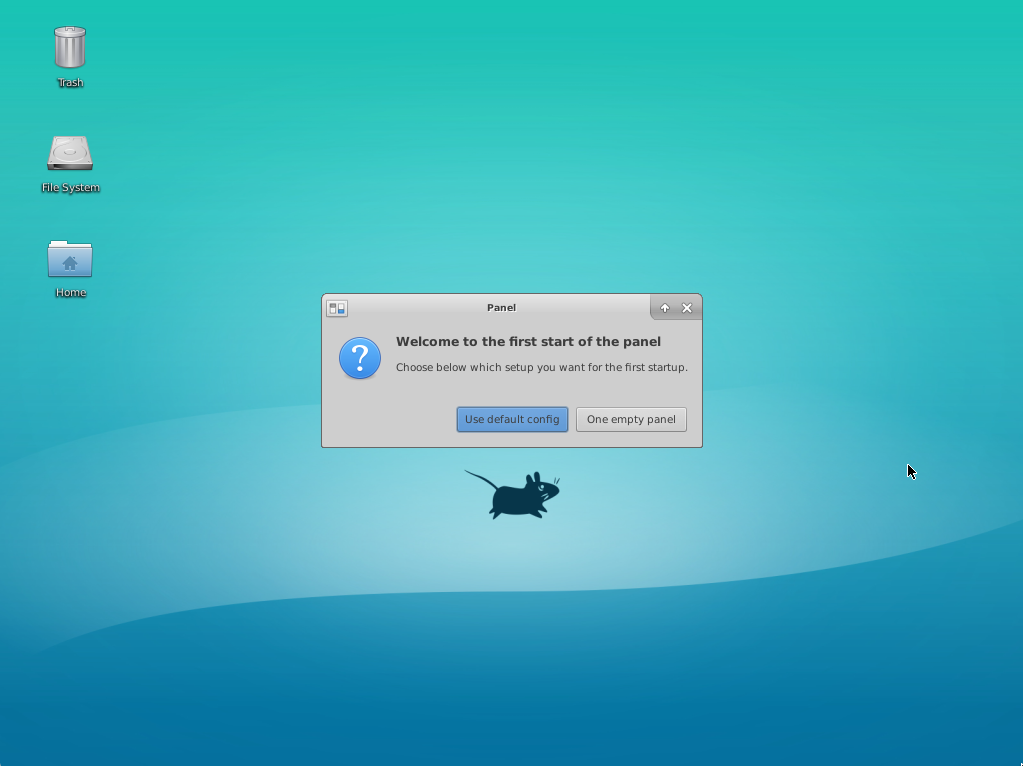

Step 2 — Configuring the VNC Server First, we need to tell our VNC server what commands to perform when it starts up. These commands are located in a configuration file called xstartup in the.vnc folder under your home directory. The startup script was created when you ran the vncserver in the previous step, but we need modify some of the commands for the Xfce desktop. When VNC is first set up, it launches a default server instance on port 5901. This port is called a display port, and is referred to by VNC as:1. VNC can launch multiple instances on other display ports, like:2,:3, etc.