Ip Geo Location For Excel Mac
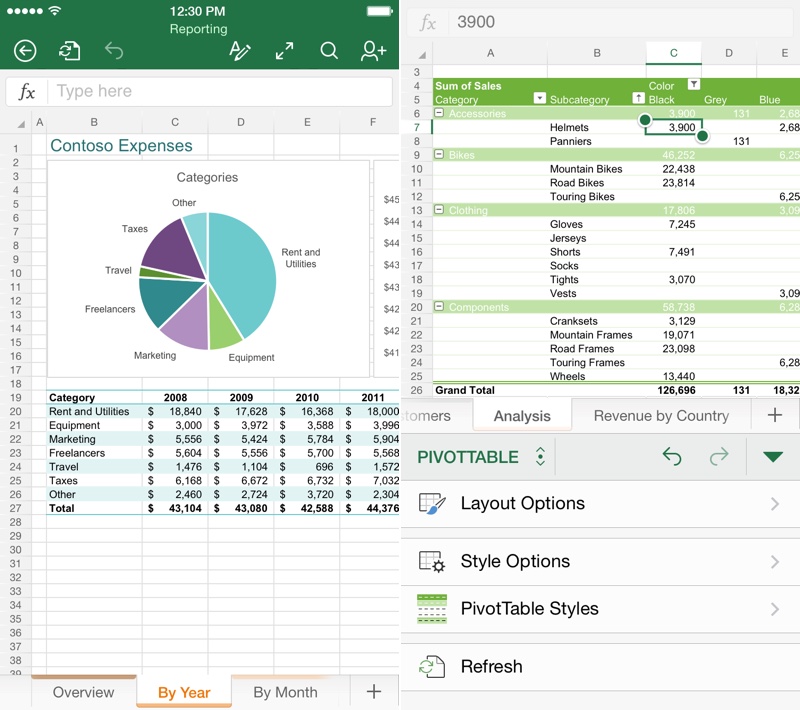
May 31, 2013 Excel 2013 brings forward an array of new and exciting features at the finger tips of the data analysts, ranging from a shiny new visualization and exploratory data analysis platform (PowerView) to a number of new pivoting features as well as a powerful in-memory data modelling engine (PowerPivot) enabled by default. Among all these features, the new Excel delivers a few different options for visualizing geographical and location based data, each visualization technique serving a different purpose (with a specific set of features) or targeting a particular demographic segment of the over-all Excel user-base.
This is a short post introducing some techniques for visualizing geo information in Excel. Maps in Power View The offers an interactive and exploratory approach to visualizing geographical data, all wrapped up in the very shiny Silverlight-based chrome of Power View. Being in PowerView, this offers the user the ability to create clever filters, slicers and dicers that aids in exploring the map visualization. The map control here is customizable with different overlays (from heat maps to pie charts, etc.), and can be tiled over some dimensional values, amongst many other features worth experimenting with.
What is 'IP based geolocation'? IP based geolocation represents the mapping of a certain IP address of an Internet connected computing device or mobile device to its world geographic location. Geolocation uses IP address mapping to: the country, region or city, latitude/longitude, ISP, domain name, etc. The problem with that is after I convert that IP address into a unique IP number, I don't know how to compare that against the entire columns of the other spreadsheet. How do I test whether the IP number whose owning country I am looking for falls between a number falls between a number in column A and column B of the same row in the other.
Another bonus with having a map visualization embedded within PowerView is that you could easily export this to PowerPoint, allowing you to share the the visualization within your presentation in a very neat way. You will need to have the Tabular Model (possibly created in PowerPivot) uploaded to SharePoint in order to have an interactive visualization within PowerPoint. There is a neat little video that demos how to which could help you get started with Geo data in PowerView. GeoFlow Visualization The project is aimed at creating stunning (albeit less useful) geo-based visualization of data.
Microsoft sql for mac. It is sort of a trade-off between looking cool and being actually useful. There is an excellent article by Graham Lannigan that explains the, the main purpose of this visualization tool is to provide a cool 3D model of the Earth, with visual elements embedded within it. GeoFlow also does some awesome time-based visualization in the style of a “short film” (PowerView Maps also supports time-series based analaysis as a slider), as well as allowing users to embed charts and other visual elements to aid in geo data analysis. My personal opinion about GeoFlow is that it is still in its early stages and requires some work, its a neat and visually striking tool, but its not fit for purpose as a data-analysis tool, particularly if your data is geographically sparse. Bing Maps Excel App If you’re looking for a way to display geo data on a map in a classic Excel sheet, then the Excel 2013 App is the answer. Functionality quite (but not exactly) similar to PowerView’s Map control, Bing Maps allows users to create on the fly map visualization right on the data sheet itself, a very powerful tool for data analysts, particularly ones that are trying to really understand the data, before formalizing their visuals in one of the “meatier” options (such as GeoFlow or PowerView Maps). One cool element of this app is that since it uses the native Bing Maps api, it is actually “touch-screen” friendly, allowing you to zoom in/out or move about the map using finger gestures.