Formatting Ssd For Mac High Sierra
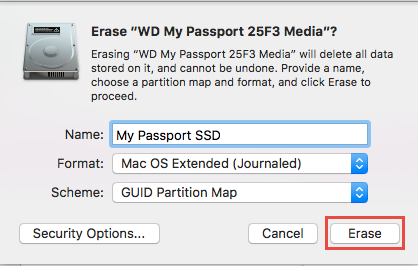
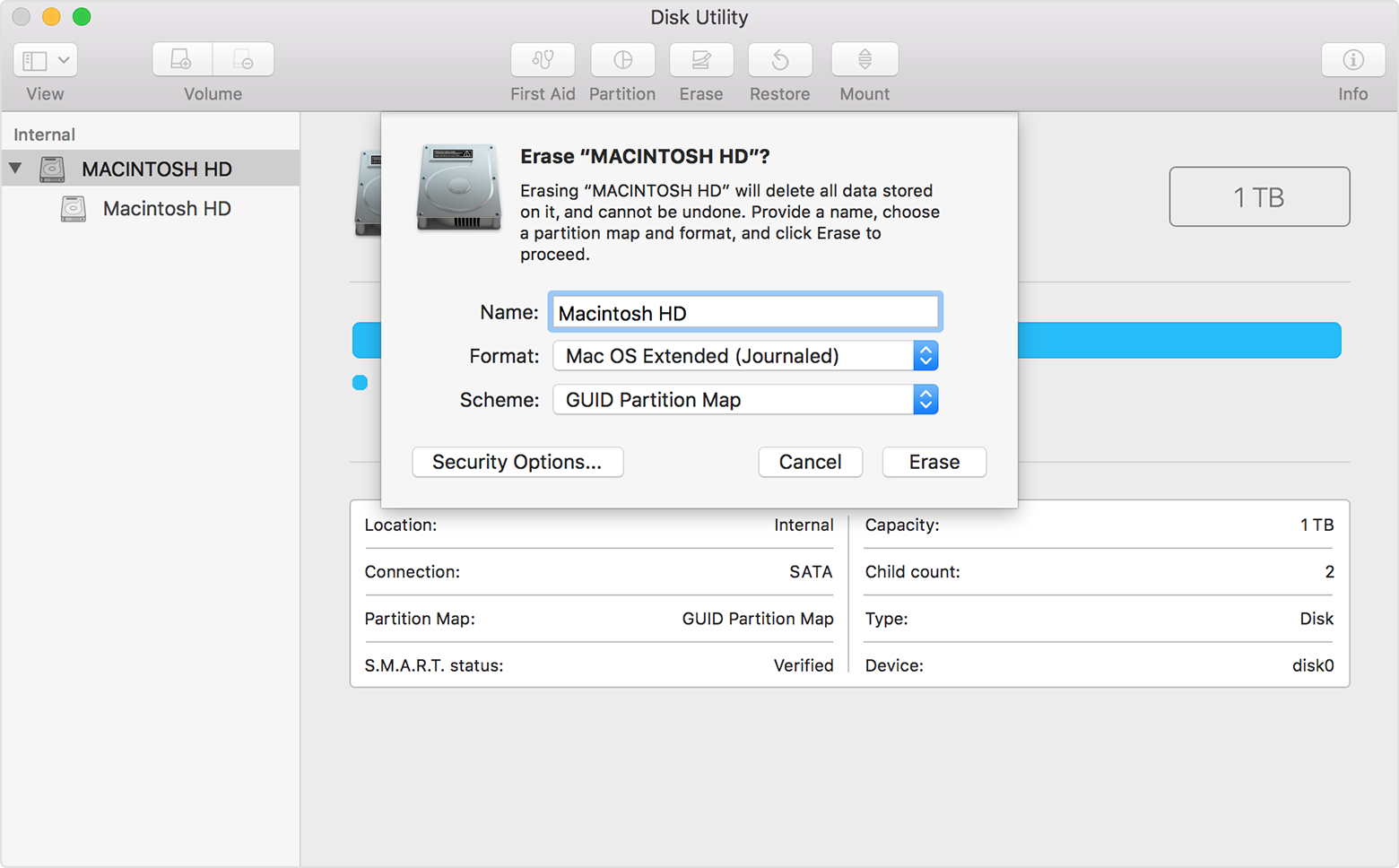
Some Mac uses like to create a bootable USB installer drive for macOS High Sierra. A bootable install volume of macOS 10.13 allows users to perform a variety of tasks including formatting and clean installs, updating multiple Macs from the same USB flash drive installer (and without re downloading. Disk Utility for macOS Sierra: Erase a volume using Disk Utility. Click the Format pop-up menu, then choose a volume format. Mac OS Extended (Journaled): Uses the Mac format. With a solid-state drive (SSD), secure erase options are not available in Disk Utility. For more security, consider turning on FileVault encryption when.
The two important things to point out are that, under the General tab, the port should be set to 5900 for the purposes of this tutorial, and that, under the Sharing tab, the Only allow local connections (SSH) box should be checked. As for VNC, a great server is OSXvnc, available at popular download sites, such as Version Tracker or MacUpdate. OSXvnc is a straightforward application, and most of the options it presents are obvious and don't require an explanation. Encrypted vnc viewer for mac.
With the release of MacOS High Sierra we see that Apple has launched its new file system APFS.¬† This new file system is optimized for SSD drives and as part of the upgrade will automatically detect a SSD and update it to APFS file format.¬† If no SSD is found it will stick with HFS+ and continue with the installation.¬† This poses a problem for DeployStudio users who like to keep the number of system images to a minimum and keep the simplicity of deploying without adding custom pkg’s to the installer. You can create a master DeployStudio image that will work on both SSD and non SSD’s computers alike,¬† here is how.¬† I created my image using a new iMac 2015 model with a 256 SSD.¬† First I restored a perfect image of 10.12.6 and then downloaded the MacOS High Sierra installer.¬† Here instead of running the installer I closed out and opened terminal. In terminal run this command sudo /Applications/Install macOS High Sierra.app/Contents/Resources/startosinstall –volume /Volumes/Target –converttoapfs NO This command is working for the official release of 10.13 and instructs the computer to skip the conversion.¬† This way you end up with a HFS+ version of 10.13 which you can then customize and send to your NetBoot Server. Why is this necessary?¬† If you let the installer proceed without launching it with the flags –converttoapfs NO you will end up with a upgraded machine running APFS.¬†¬† This is a problem since APFS cannot boot on Apple machines without special firmware and further there is a check for spinning drives.¬† If the machine detects a spinning drive with APFS you will see that it fails to boot.¬† I am unsure why apple is not supporting APFS on older drives but this does appear to be the case.¬† My work around is just to continue using DeployStudio with HFS+ and all is well. Part of the MacOS High Sierra installer contains new firmware which is designed to boot a Mac with a drive formatted for APFS.¬† This firmware is not included in the deploystudio image.¬†¬† This means if you try creating an APFS image and restore it to a SSD mac running 10.12 or 10.11 it will not be able to boot without the firmware being custom added.¬† Again making sure to create the image as HFS+ gets around this issue and both SSD and spinning drives are able to boot. Success PCI SSD running High Sierra with HFS+ Journaled / not APFS.
 It’s probably overkill for basic photo editing but if you like to create or edit complex images, work with a lot of unusual file formats or automate as much as possible it’s a very solid app indeed. It’s cross platform too, so you can use it on any Windows or Linux machines as well as on your Mac. That’s handy if you need to collaborate with others.