Authy Or Google Authenticator For Mac
Show separate inboxes for each account. And i also see other people having the same problem on 2011 outlook for mac. Outlook for Mac 2011 will not display a second POP account. Anyone pls share your experience. Do i need to do a smart folder or rules to separate each incoming email from different pop3 account? Or is there a better way?? Thanks in advance. 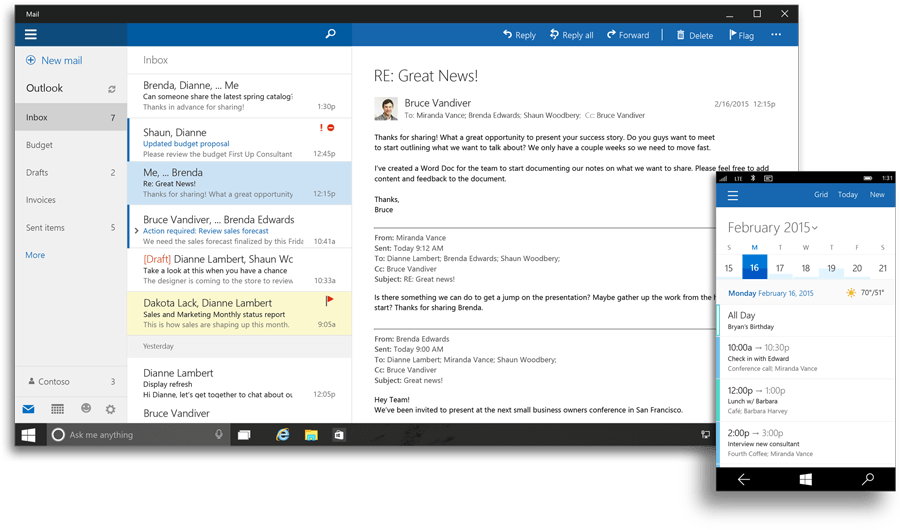 On the Outlook menu, click Preferences. Under Personal Settings, click General. Under Folder list, clear the Group similar folders, such as Inboxes, from different accounts check box.
The gold standard for this is Google Authenticator, which has one of the most extensive collections of supported apps. Therefore, we looked for apps which at least supported all the apps and services supported by Google Authenticator. App 1: Authy. I learned about Authy after frustrations with Google Authenticator.
If you have been using or for two-step verification (“2FA” for short), you may have wondered whether you should switch to, now that it offers the same functionality. You may have wondered how much of a hassle it would be to change from one app to another, and if it would be worth it. If that describes you, well, then you’re in luck, because I just completed the switch and I’m here to report my results. (Spoiler Alert: it was easier than I expected, and I already like it more than Authy, despite having really liked Authy.) There are a few “tips and tricks” which can makes the transition a little easier. “What’s ‘Two-Factor Authentication’?
Is it the same as ‘Two-Step Verification’? And are they the same as ‘Time-based One Time Passwords’?” I won’t spend a lot of time on this, but just as a quick summary: for most people in most situations most of the time, the terms “Two-Factor Authentication”, “Two-Step Verification”, and “Time-based One Time Passwords” can be treated as being equivalent.
What I mean is that while they are not technically identical they are functionally the same thing. If you want to understand more about the differences, read AgileBits’ article, specifically the section named “Second factor? No.” For the purposes of this article, they are all going to huddle together under the umbrella of “2FA” with this as a functional definition: “You have a username plus a password plus a third thing. Someone might be able to get your username or password, but they should only be able to get that third thing if they have unfettered access to your Mac or iOS device right now.” That “third thing” is what is most people mean most of the time when they are talking about “Two-Factor Authentication”, “Two-Step Verification”, or “Time-based One Time Passwords”. While it may be frustrating to people who are highly fluent in the various differences between those three things, my point is only to say that you can accomplish exactly the same thing using Google Authenticator or Authy or 1Password with a large and growing number of websites which all may use slightly different terminology to describe what is basically (for most people most of the time) the same thing.
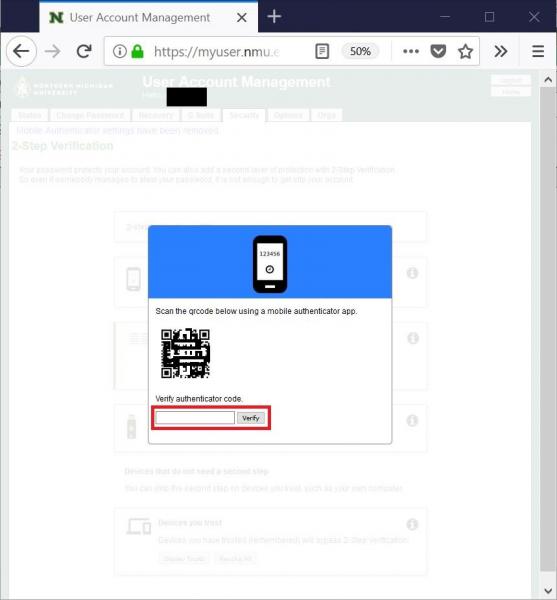
“Ok, but why do I want to use 2FA anyway?” Assume your worst enemy managed to get ahold of the username and password that you use for email. They could get into your email, reset your passwords across the Internet, and generally make your life miserable. If your email account is protected by 2FA, having your username and password wouldn’t be enough, they would also need to get ahold of your iPhone (or iPad, or Mac, or whatever other device you use for 2FA). Without that, even having your password wouldn’t let them access your account.
How to add a draft watermark in word for mac free. Now substitute for “worst enemy”: former employer, former romantic partner who may be unhappy about the end of the relationship and want to mess with your life, secret government agent, rogue teenagers bored on Spring Break, malicious hacker group from across the globe which just managed to compromise a large website’s security. 2FA is like adding a dead-bolt to a door which already has a lock. It may not make it impossible to break in, but it will make it more difficult.